
BÁCH HÓA NGÀNH NƯỚC - AQUASHOP
"You need, We'll have it!" - Bạn cần, chúng tôi có!
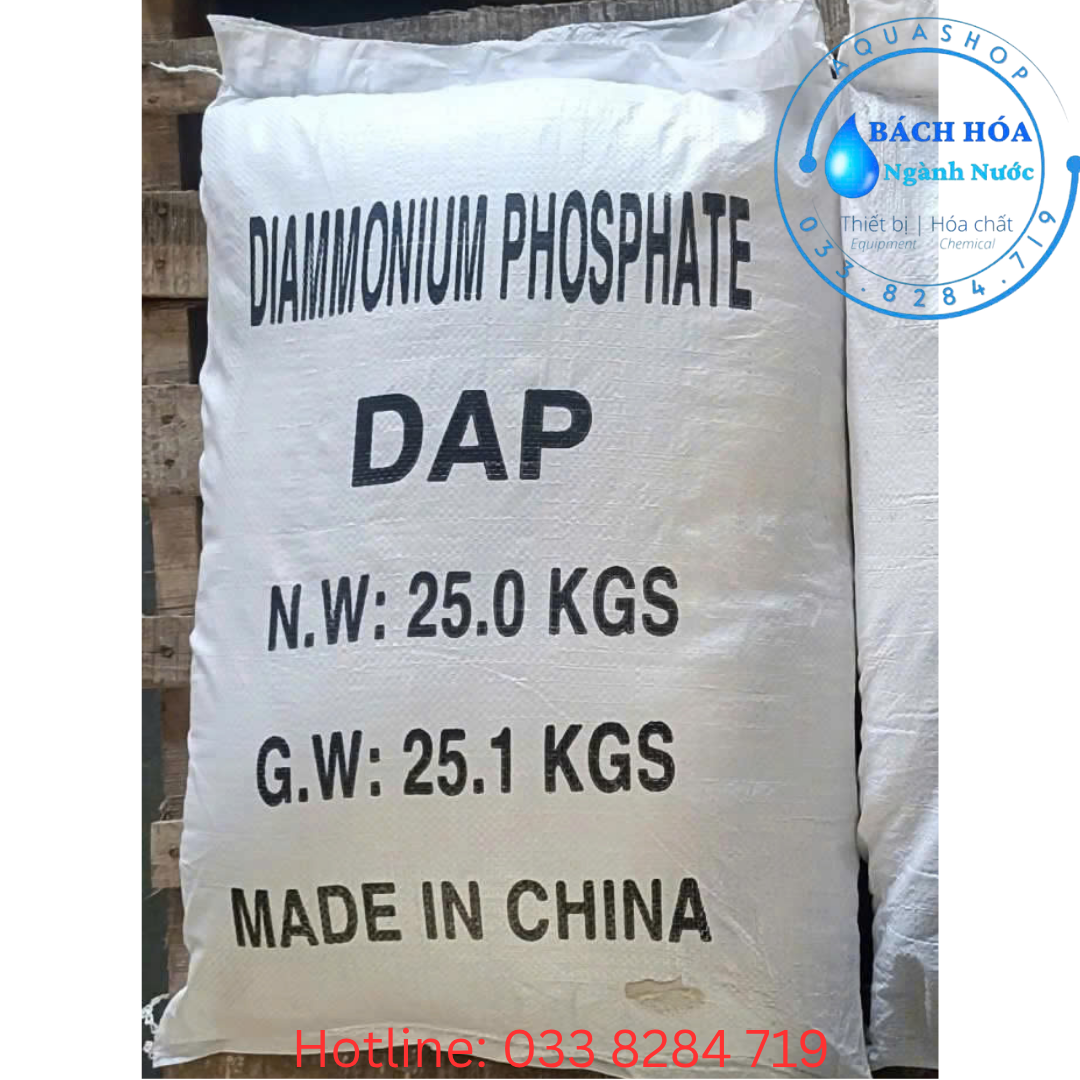
DAP (Diammonium Phosphate) là hóa chất cung cấp nguồn nitơ và photpho, hỗ trợ vi sinh vật phát triển trong hệ thống xử lý nước thải sinh học. Sản phẩm giúp bổ sung dinh dưỡng, thúc đẩy quá trình phân hủy chất hữu cơ và nâng cao hiệu quả xử lý nước thải. Aquashop cung cấp giải pháp hóa chất và thiết bị phục vụ hệ thống xử lý nước thải công nghiệp.
DAP (Diammonium Phosphate) is a valuable nutrient supplement for biological wastewater treatment, providing nitrogen and phosphorus to support microbial growth and organic matter decomposition. When properly dosed, DAP helps maintain nutrient balance and improve the efficiency of industrial wastewater treatment systems. Aquashop offers water treatment chemicals and equipment for reliable wastewater treatment solutions.
Phân DAP (Diammonium Phosphate) là một loại phân bón phức hợp cung cấp hai thành phần dinh dưỡng quan trọng là nitơ (N) và photpho (P). Ngoài ứng dụng trong nông nghiệp, DAP còn được sử dụng trong một số hệ thống xử lý nước thải để bổ sung dinh dưỡng cho vi sinh vật, hỗ trợ quá trình xử lý sinh học.
Trong các bể xử lý sinh học, vi sinh vật cần được cung cấp đầy đủ nguồn carbon, nitơ, photpho và các nguyên tố vi lượng để phát triển, duy trì hoạt động và phân hủy các chất ô nhiễm hữu cơ. Khi nước thải thiếu nitơ hoặc photpho, việc bổ sung DAP có thể giúp cân bằng dinh dưỡng và cải thiện hiệu quả xử lý.
DAP là một trong những hóa chất có thể được lựa chọn cho các hệ thống xử lý nước thải công nghiệp, nước thải chế biến thực phẩm và các ứng dụng xử lý sinh học khác, tùy theo đặc tính nước thải thực tế.
Lưu ý: Hàm lượng dinh dưỡng, màu sắc, hình dạng, độ tinh khiết và quy cách đóng gói cần được xác nhận theo thông số kỹ thuật của từng sản phẩm cụ thể.
Nitơ là thành phần cần thiết để vi sinh vật tổng hợp protein, enzyme và các cấu trúc tế bào. Trong một số loại nước thải giàu chất hữu cơ nhưng thiếu nitơ, việc bổ sung DAP giúp cung cấp nguồn nitơ vô cơ cho quá trình sinh trưởng của vi sinh vật.
Photpho tham gia vào quá trình tổng hợp ATP, axit nucleic và màng tế bào. Đây là nguyên tố cần thiết cho sự phát triển và duy trì hoạt động của quần thể vi sinh vật trong bể sinh học.
DAP cung cấp photpho dưới dạng phosphate, hỗ trợ cân bằng dinh dưỡng khi hàm lượng photpho trong nước thải không đáp ứng nhu cầu của hệ vi sinh.
Trong hệ thống xử lý nước thải bằng bùn hoạt tính hoặc các công nghệ sinh học tương tự, sự cân bằng giữa nguồn carbon, nitơ và photpho có ảnh hưởng đến hiệu quả xử lý.
Khi nước thải thiếu dinh dưỡng, việc bổ sung DAP với liều lượng phù hợp có thể hỗ trợ sinh khối phát triển, duy trì hoạt động sinh học và cải thiện khả năng loại bỏ chất hữu cơ.
Tuy nhiên, DAP không phải là hóa chất xử lý trực tiếp mọi chất ô nhiễm. Hiệu quả của sản phẩm phụ thuộc vào chất lượng nước đầu vào, điều kiện vận hành và tình trạng của hệ vi sinh.
DAP có thể được sử dụng để bổ sung dinh dưỡng cho các hệ thống xử lý sinh học tại nhà máy chế biến thực phẩm, sản xuất đồ uống, chế biến nông sản và các ngành công nghiệp có nước thải chứa nhiều chất hữu cơ nhưng thiếu nitơ hoặc photpho.
Trong một số hệ thống xử lý nước thải sinh hoạt, thành phần dinh dưỡng có thể không cân đối do đặc tính nguồn thải hoặc quá trình vận hành. DAP có thể được bổ sung khi kết quả phân tích cho thấy cần tăng nguồn nitơ và photpho cho vi sinh vật.
Tại các công đoạn xử lý sinh học, việc bổ sung dinh dưỡng cần được tính toán theo nhu cầu của hệ vi sinh và mục tiêu xử lý. DAP có thể được sử dụng tại vị trí phù hợp trong quy trình, nhưng cần kiểm soát lượng photpho đưa vào để tránh làm tăng photpho trong nước đầu ra.
Một số dòng nước thải từ chế biến thực phẩm, sản xuất tinh bột hoặc các sản phẩm có hàm lượng chất hữu cơ cao có thể thiếu dinh dưỡng cần thiết cho vi sinh vật.
Trong trường hợp này, DAP có thể là một giải pháp bổ sung nitơ và photpho nhằm hỗ trợ quá trình phân hủy sinh học, khi được xác định phù hợp thông qua phân tích và thử nghiệm.
Để sử dụng DAP hiệu quả, doanh nghiệp cần xác định đúng nhu cầu dinh dưỡng của hệ thống thay vì bổ sung theo một liều lượng cố định.
Bước 1: Phân tích nước thải
Kiểm tra các chỉ tiêu như COD, BOD₅, nitơ tổng, photpho tổng và các thông số liên quan để xác định tình trạng thiếu hụt dinh dưỡng.
Bước 2: Xác định nhu cầu bổ sung
Tính toán lượng nitơ và photpho cần bổ sung dựa trên tải lượng chất hữu cơ, lượng dinh dưỡng sẵn có và yêu cầu vận hành của hệ thống.
Tỷ lệ BOD:N khoảng 100:5:1 thường được sử dụng như một điểm tham khảo ban đầu trong một số hệ thống bùn hoạt tính xử lý chất hữu cơ. Đây không phải tỷ lệ áp dụng cho mọi trường hợp; tỷ lệ phù hợp cần được xác định theo công nghệ và kết quả vận hành thực tế.
Bước 3: Pha hóa chất
Hòa tan DAP trong nước bằng thiết bị và bồn phù hợp để tạo dung dịch châm. Nồng độ pha cần căn cứ vào độ hòa tan, điều kiện nhiệt độ và hướng dẫn kỹ thuật của nhà cung cấp.
Bước 4: Châm DAP vào hệ thống
Có thể sử dụng bơm định lượng để bổ sung dung dịch DAP vào vị trí thích hợp, bảo đảm phân phối đều và thuận tiện cho việc điều chỉnh liều lượng.
Bước 5: Theo dõi và tối ưu
Theo dõi COD, BOD₅, nitơ, photpho, tình trạng bùn và các chỉ tiêu vận hành khác để điều chỉnh lượng DAP. Việc bổ sung quá mức có thể làm tăng lượng dinh dưỡng dư trong nước sau xử lý.
Để quá trình bổ sung dinh dưỡng diễn ra ổn định, hệ thống có thể sử dụng các thiết bị sau:
Khi lựa chọn bơm định lượng, cần xem xét lưu lượng châm, áp suất làm việc, khả năng điều chỉnh và tính tương thích của vật liệu tiếp xúc với dung dịch hóa chất.
Để duy trì chất lượng sản phẩm và bảo đảm an toàn vận hành, cần lưu ý:
DAP là hóa chất bổ sung dinh dưỡng, không thay thế các công đoạn xử lý cần thiết như điều hòa, xử lý sinh học, lắng và lọc.
Aquashop cung cấp thông tin và giải pháp thiết bị phục vụ các ứng dụng xử lý nước và nước thải công nghiệp. Đối với hệ thống sử dụng DAP để bổ sung dinh dưỡng, việc lựa chọn thiết bị pha trộn, bồn chứa và bơm định lượng phù hợp giúp kiểm soát liều lượng hóa chất, hỗ trợ vận hành ổn định và tối ưu chi phí.
Tùy theo quy mô và đặc điểm hệ thống, doanh nghiệp có thể xem xét các giải pháp:
Việc lựa chọn thiết bị nên dựa trên lưu lượng xử lý, nhu cầu dinh dưỡng, đặc tính dung dịch và yêu cầu vận hành thực tế.
Phân DAP (Diammonium Phosphate) là nguồn cung cấp nitơ và photpho có thể được sử dụng trong các hệ thống xử lý nước thải sinh học khi cần bổ sung dinh dưỡng cho vi sinh vật.
Việc sử dụng DAP đúng cách góp phần hỗ trợ sự phát triển của hệ vi sinh và duy trì hiệu quả xử lý chất hữu cơ. Tuy nhiên, liều lượng cần được tính toán theo kết quả phân tích nước thải, tránh bổ sung dư thừa làm tăng tải lượng dinh dưỡng ở đầu ra.
Aquashop hướng đến việc cung cấp thông tin và giải pháp thiết bị phù hợp cho hệ thống xử lý nước, hỗ trợ doanh nghiệp kiểm soát quá trình châm hóa chất, nâng cao hiệu quả vận hành và hướng đến mục tiêu xử lý nước thải bền vững.
—
DAP (Diammonium Phosphate) is a widely used chemical compound that provides two essential nutrients: nitrogen (N) and phosphorus (P). With the chemical formula ((NH_4)_2HPO_4), DAP is commonly used in agriculture as a fertilizer and in wastewater treatment systems as a nutrient supplement for biological processes.
In biological wastewater treatment, microorganisms require sufficient nitrogen and phosphorus to grow, reproduce, and break down organic pollutants. DAP can help supply these nutrients when the wastewater does not contain adequate amounts to support effective biological treatment.
Aquashop provides chemical products and water treatment equipment to support industrial wastewater treatment systems and related applications.
Biological wastewater treatment relies on microorganisms to decompose organic matter and reduce pollution levels. For these microorganisms to function effectively, wastewater must contain an appropriate balance of carbon, nitrogen, and phosphorus.
DAP helps supplement nitrogen and phosphorus, supporting microbial growth and biological activity in treatment systems.
Its main functions include:
The actual benefits depend on wastewater characteristics, operating conditions, and the existing nutrient balance.
DAP may be used in various industrial and commercial wastewater treatment applications, including:
Some industrial wastewater streams contain high concentrations of organic matter but insufficient nitrogen or phosphorus. Adding DAP can help correct this imbalance and support biological treatment processes.
Potential applications include wastewater from food processing, beverage production, and other organic-load-intensive industries.
Activated sludge systems use suspended microorganisms to remove biodegradable organic pollutants. DAP may be added when nutrient testing indicates that nitrogen or phosphorus is insufficient for healthy biomass growth.
In aerobic treatment systems, microorganisms use oxygen to break down organic substances. Adequate nutrient availability helps sustain microbial activity and maintain treatment efficiency.
Wastewater with a high biochemical oxygen demand (BOD) may require additional nutrients to maintain an appropriate carbon-to-nitrogen-to-phosphorus balance. DAP can serve as one source of nitrogen and phosphorus when supported by process calculations and laboratory testing.
When properly selected and dosed, DAP offers several advantages for biological wastewater treatment.
Balanced nutrient supply
DAP provides both nitrogen and phosphorus in one chemical product, simplifying nutrient supplementation where both elements are needed.
Support for microbial growth
Adequate nutrient availability helps microorganisms maintain their biological functions and reproduce effectively.
Potential improvement in treatment performance
Correcting a nutrient deficiency may improve organic matter removal and help stabilize biological processes.
Flexible application
DAP can be considered for different biological treatment configurations, provided its use is compatible with the wastewater composition and treatment objectives.
Practical chemical handling
DAP is a commercially available chemical that can be incorporated into a properly designed chemical dosing system.
However, DAP is not a universal wastewater treatment solution. It does not directly replace processes designed to remove suspended solids, toxic compounds, heavy metals, or other specific contaminants.
The correct DAP dosage depends on the wastewater’s organic load, existing nitrogen and phosphorus concentrations, and treatment system requirements.
A typical application procedure includes the following steps:
Measure relevant parameters such as BOD, COD, total nitrogen, total phosphorus, pH, and other process-specific indicators.
Estimate the nitrogen and phosphorus requirements based on the biodegradable organic load and the operating conditions of the biological treatment system.
Calculate the amount of DAP needed to supply the nutrient deficit. The calculation should account for the product’s actual composition, existing nutrient concentrations, and the nitrogen and phosphorus contributed by other chemical sources.
Prepare the product according to its technical data sheet and the requirements of the dosing equipment. Ensure adequate mixing and avoid localized overdosing.
Monitor process indicators such as dissolved oxygen, pH, sludge condition, nutrient residuals, and effluent quality. Adjust the dosage according to measured results rather than applying a fixed quantity without verification.
Important: Excessive nutrient addition can increase nitrogen and phosphorus concentrations in the treated effluent and may contribute to eutrophication in receiving waters. Dosing should therefore be carefully controlled.
A suitable chemical dosing system helps ensure accurate and consistent DAP application.
Depending on the plant’s design and operating requirements, the system may include:
Metering pumps are particularly useful when precise chemical dosing is required. Pump selection should consider the chemical solution’s concentration, required flow rate, operating pressure, material compatibility, and maintenance requirements.
Aquashop supplies water treatment equipment and related solutions to support industrial water and wastewater treatment applications.
Although DAP is commonly handled as an industrial and agricultural chemical, appropriate safety procedures remain essential.
For liquid dosing applications, verify the prepared solution’s concentration, compatibility with equipment materials, and suitability for the intended process.
Selecting suitable chemicals and dosing equipment is important for maintaining a reliable wastewater treatment system.
Aquashop supports water treatment applications with solutions that may include chemical products, metering pumps, and related equipment. Choosing the right solution requires an understanding of the wastewater characteristics, treatment process, operating conditions, and target effluent quality.
When evaluating DAP for wastewater treatment, customers should confirm the product specification, required nutrient dosage, and compatibility with their existing treatment system.
DAP (Diammonium Phosphate) is a useful source of nitrogen and phosphorus for biological wastewater treatment when these nutrients are deficient. By helping maintain an appropriate nutrient balance, DAP can support microbial growth and the breakdown of biodegradable organic matter.
For effective and sustainable treatment, DAP should be applied based on wastewater analysis, nutrient calculations, and ongoing process monitoring. Proper chemical dosing equipment and safe handling procedures are also essential.
Aquashop provides water treatment products and equipment to support industrial wastewater treatment systems. Contact Aquashop to explore suitable chemical dosing and water treatment solutions for your application.


Đánh giá
Chưa có đánh giá nào.