
BÁCH HÓA NGÀNH NƯỚC - AQUASHOP
"You need, We'll have it!" - Bạn cần, chúng tôi có!
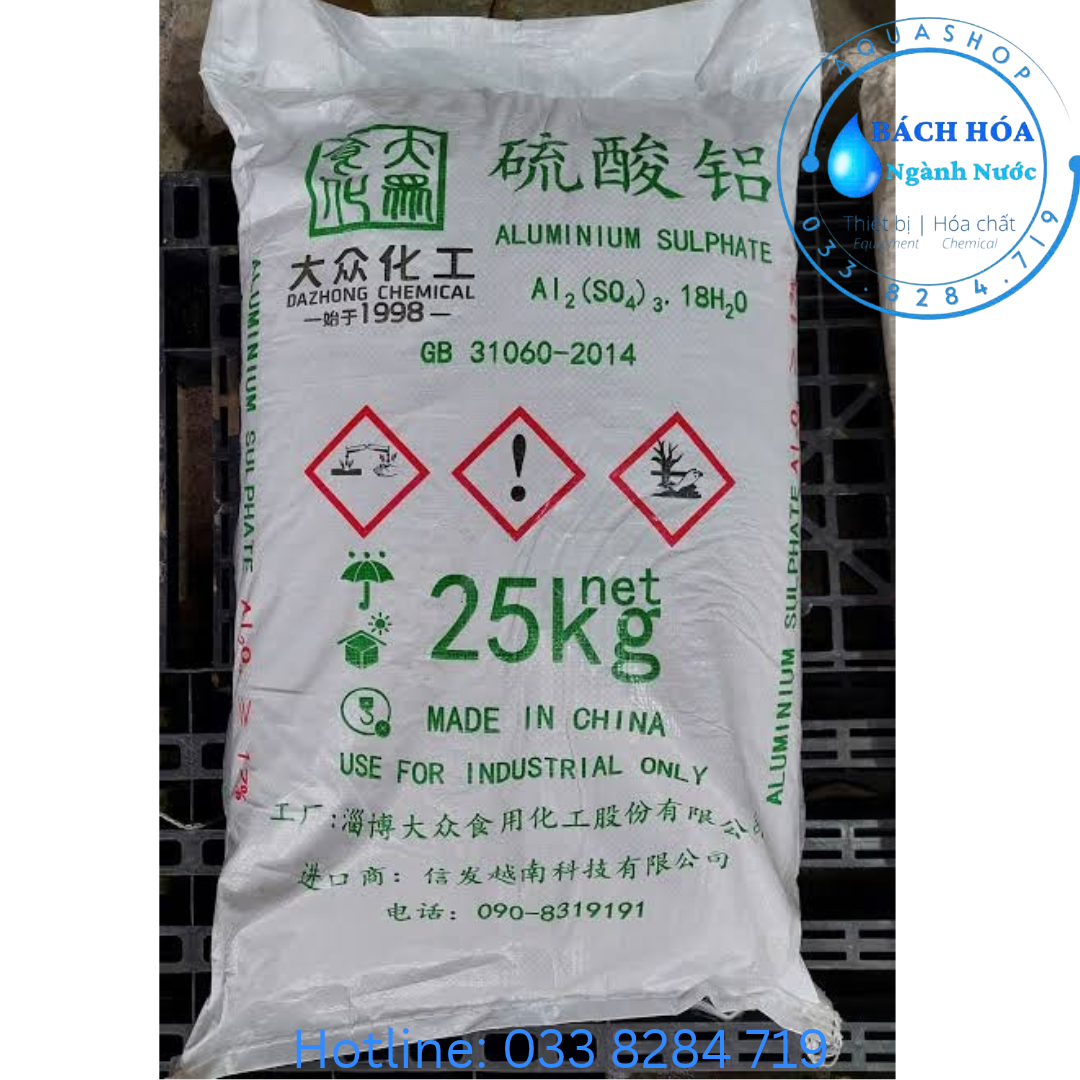
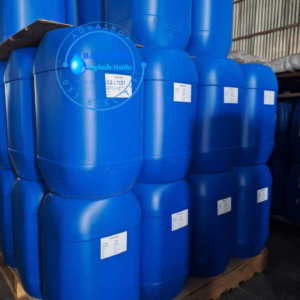
Phèn Nhôm Trung Quốc 17% (Aluminium Sulfate – Al₂(SO₄)₃) là hóa chất keo tụ được sử dụng phổ biến trong xử lý nước cấp và nước thải công nghiệp. Sản phẩm có khả năng hỗ trợ loại bỏ chất rắn lơ lửng, giảm độ đục, kết dính các hạt keo và hình thành bông cặn, giúp nâng cao hiệu quả lắng và lọc. Phù hợp cho hệ thống xử lý nước thải dệt nhuộm, giấy, thực phẩm và các nhà máy sản xuất. Liên hệ AquaShop để được tư vấn và báo giá.
Chinese Aluminium Sulfate 17% (Aluminum Sulfate – Al₂(SO₄)₃) is a widely used coagulant in water treatment and industrial wastewater treatment applications. It helps remove suspended solids, reduce turbidity, neutralize colloidal particles, and promote floc formation, improving sedimentation and filtration efficiency. This product is suitable for wastewater treatment in textile dyeing, paper manufacturing, food processing, and various industrial facilities. Contact AquaShop for technical consultation and competitive quotations.
Phèn nhôm Trung Quốc (Aluminium Sulfate) là hóa chất vô cơ có công thức hóa học Al₂(SO₄)₃, được sử dụng phổ biến trong lĩnh vực xử lý nước cấp, xử lý nước thải công nghiệp và nhiều ngành sản xuất khác. Nhờ khả năng keo tụ các chất rắn lơ lửng, chất hữu cơ dạng keo và các tạp chất trong nước, phèn nhôm giúp hỗ trợ quá trình hình thành bông cặn, tạo điều kiện thuận lợi cho công đoạn lắng và lọc.
Phèn nhôm 17% xuất xứ Trung Quốc là một trong những dòng hóa chất được nhiều đơn vị xử lý nước lựa chọn nhờ tính ứng dụng rộng rãi, khả năng hòa tan trong nước và chi phí sử dụng phù hợp.
Tại AquaShop, chúng tôi kết nối nguồn cung phèn nhôm và các loại hóa chất xử lý nước, hỗ trợ khách hàng lựa chọn sản phẩm phù hợp với đặc tính nguồn nước, công suất hệ thống và yêu cầu xử lý thực tế.
| Thông tin | Chi tiết |
|---|---|
| Tên sản phẩm | Phèn nhôm Trung Quốc |
| Tên tiếng Anh | Aluminium Sulfate |
| Tên gọi khác | Nhôm Sunfat, Phèn đơn |
| Công thức hóa học | Al₂(SO₄)₃ |
| Số CAS | 10043-01-3 |
| Hàm lượng | 17% (theo thông tin nhà cung cấp) |
| Xuất xứ | Trung Quốc |
| Ngoại quan | Dạng cục, màu trắng hoặc trắng ngà vàng |
| Đặc tính | Tan trong nước, có tính axit |
| Độ pH | Khoảng 3,0–4,0 (theo thông tin sản phẩm) |
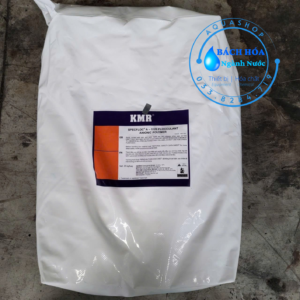
| Quy cách đóng gói | Bao 25 kg |
Lưu ý: Chỉ tiêu kỹ thuật thực tế cần được đối chiếu với COA, MSDS và chứng từ của từng lô hàng. Hàm lượng 17% cần được xác nhận theo phương pháp quy đổi và tiêu chuẩn kiểm nghiệm của nhà sản xuất.
Phèn nhôm là hợp chất muối vô cơ của nhôm và axit sulfuric. Khi được hòa tan vào nước, phèn nhôm phân ly và trải qua quá trình thủy phân, tạo thành các dạng hydroxit nhôm có khả năng tham gia vào quá trình keo tụ.
Trong nước tự nhiên và nước thải công nghiệp, nhiều hạt cặn có kích thước rất nhỏ tồn tại ở trạng thái phân tán và mang điện tích, khiến chúng khó tự lắng xuống.
Khi bổ sung phèn nhôm với liều lượng thích hợp, quá trình xử lý diễn ra theo các cơ chế chính:
Hiệu quả keo tụ phụ thuộc vào pH, độ kiềm, nhiệt độ, đặc tính nước đầu vào, liều lượng hóa chất và điều kiện khuấy trộn.
Phèn nhôm được sử dụng trong nhiều hệ thống xử lý nước thải tại nhà máy sản xuất, khu công nghiệp và các cơ sở chế biến.
Một số ứng dụng tiêu biểu:
Phèn nhôm thường được châm tại công đoạn keo tụ, kết hợp với bể tạo bông và bể lắng để nâng cao hiệu quả xử lý.
Trong hệ thống xử lý nước cấp, phèn nhôm được sử dụng để hỗ trợ loại bỏ cặn lơ lửng, các hạt keo và tạp chất gây độ đục.
Sản phẩm có thể được ứng dụng trong:
Phèn nhôm được sử dụng trong một số công đoạn sản xuất giấy nhằm hỗ trợ quá trình giữ phụ gia, cải thiện khả năng lưu giữ các thành phần trong bột giấy và điều chỉnh điều kiện hóa học của hệ thống.
Việc sử dụng cần căn cứ vào công nghệ sản xuất và yêu cầu chất lượng giấy thành phẩm.
Trong công nghiệp dệt nhuộm, nhôm sunfat có thể được sử dụng trong một số công đoạn hỗ trợ cố định màu và xử lý nước thải có chứa thuốc nhuộm.
Hiệu quả sử dụng phụ thuộc vào loại thuốc nhuộm, thành phần hóa chất và điều kiện công nghệ của từng nhà máy.
Ngoài các lĩnh vực trên, phèn nhôm còn được sử dụng trong một số ứng dụng như điều chỉnh tính chất hóa học của đất và các quy trình công nghiệp có yêu cầu sử dụng muối nhôm.
Khả năng keo tụ tốt: Hỗ trợ xử lý các hạt cặn lơ lửng, chất keo và cải thiện độ trong của nước.
Ứng dụng đa ngành: Có thể sử dụng trong xử lý nước cấp, nước thải công nghiệp, sản xuất giấy và một số công đoạn dệt nhuộm.
Dễ triển khai: Có thể hòa tan và châm định lượng vào hệ thống xử lý thông qua bồn pha hóa chất và bơm định lượng.
Chi phí sử dụng hợp lý: Là một lựa chọn hóa chất keo tụ phổ biến, có thể cân nhắc trong các hệ thống cần tối ưu chi phí vận hành.
Kết hợp linh hoạt: Có thể sử dụng cùng Polymer anion hoặc Polymer cation để hỗ trợ quá trình tạo bông, tùy thuộc vào tính chất nước thải.
Để đạt hiệu quả xử lý tốt, cần xác định liều lượng phèn nhôm phù hợp với đặc tính nước đầu vào thay vì áp dụng một mức châm cố định cho tất cả hệ thống.
Kiểm tra các chỉ tiêu cơ bản như:
Tiến hành thử nghiệm keo tụ bằng cách thay đổi liều lượng phèn nhôm và điều kiện pH để xác định điểm vận hành phù hợp.
Quan sát khả năng hình thành bông cặn, tốc độ lắng và độ trong của nước sau xử lý.
Hòa tan phèn nhôm vào nước trong bồn pha hóa chất, khuấy đều để tạo dung dịch đồng nhất.
Nồng độ pha cần căn cứ vào độ hòa tan, nhiệt độ, thiết kế bồn và hướng dẫn của nhà sản xuất.
Sử dụng bơm định lượng để châm dung dịch phèn nhôm vào bể phản ứng hoặc đường ống phù hợp.
Điều chỉnh lưu lượng châm theo lưu lượng nước và kết quả vận hành thực tế.
Trong trường hợp cần thiết, có thể sử dụng thêm Polymer để hỗ trợ liên kết các bông cặn, cải thiện khả năng lắng và tách nước.
Cần thử nghiệm để xác định loại Polymer, liều lượng và thứ tự châm phù hợp.
Mặc dù là hóa chất được sử dụng phổ biến trong xử lý nước, phèn nhôm vẫn cần được kiểm soát đúng kỹ thuật.
Trong hệ thống xử lý nước cấp và nước thải, phèn nhôm có thể được sử dụng kết hợp với nhiều loại hóa chất khác để tối ưu hiệu quả xử lý.
| Hóa chất | Công dụng |
|---|---|
| Polymer Anion | Hỗ trợ tạo bông, tăng khả năng lắng |
| Polymer Cation | Hỗ trợ keo tụ và xử lý bùn trong một số ứng dụng |
| PAC | Hóa chất keo tụ, có thể dùng thay thế hoặc phối hợp theo thử nghiệm |
| NaOH | Điều chỉnh và nâng pH |
| Soda Ash (Na₂CO₃) | Bổ sung độ kiềm, điều chỉnh pH |
| Chất khử màu | Hỗ trợ xử lý màu trong nước thải |
| Chất khử bọt | Kiểm soát bọt phát sinh trong hệ thống |
Việc phối hợp hóa chất cần được đánh giá bằng thử nghiệm thực tế để tránh tương tác không mong muốn và tối ưu chi phí vận hành.
AquaShop – Bách Hóa Ngành Nước là đơn vị kết nối nguồn cung hóa chất và thiết bị phục vụ ngành xử lý nước cấp, xử lý nước thải và sản xuất công nghiệp.
Chúng tôi hỗ trợ khách hàng tìm kiếm nguồn cung phèn nhôm và các dòng hóa chất xử lý nước phù hợp với nhu cầu thực tế.
Khách hàng có thể liên hệ AquaShop để được hỗ trợ:
AquaShop – Bách Hóa Ngành Nước
You need, We’ll have it – Bạn cần, chúng tôi có!
AquaShop – Kênh tư vấn giải pháp xử lý nước, kết nối nguồn cung hóa chất và thiết bị ngành nước.
Liên hệ AquaShop để nhận tư vấn và báo giá Phèn Nhôm Trung Quốc – Nhôm Sunfat Al₂(SO₄)₃ 17% cho nhu cầu xử lý nước cấp và nước thải công nghiệp.
—
Chinese Aluminium Sulfate (Aluminum Sulfate) is an inorganic chemical widely used in water treatment, industrial wastewater treatment, and various manufacturing processes. With its effective coagulation properties, Aluminium Sulfate helps remove suspended solids, colloidal particles, and other impurities from water.
Aluminium Sulfate 17% is commonly used in industrial and municipal water treatment systems. It promotes the formation of flocs, allowing suspended particles and impurities to aggregate into larger particles that can be easily removed through sedimentation and filtration.
Thanks to its wide range of applications and cost-effective performance, Chinese Aluminium Sulfate is a popular choice for water treatment plants, industrial factories, environmental contractors, and wastewater treatment system operators.
AquaShop connects customers with chemical suppliers and provides solutions for industrial water and wastewater treatment requirements.
| Parameter | Description |
|---|---|
| Product Name | Chinese Aluminium Sulfate |
| English Name | Aluminium Sulfate / Aluminum Sulfate |
| Chemical Formula | Al₂(SO₄)₃ |
| CAS Number | 10043-01-3 |
| Grade | 17% (subject to supplier specifications) |
| Origin | China |
| Appearance | Solid lumps or granules |
| Color | White to off-white or slightly yellowish |
| Solubility | Soluble in water |
| Chemical Properties | Acidic |
| Packaging | 25 kg bags |
Note: Actual technical specifications may vary depending on the manufacturer and production batch. Customers should refer to the manufacturer’s Certificate of Analysis (COA) and Safety Data Sheet (SDS) for verified product specifications.
Aluminium Sulfate is an inorganic aluminum salt with the chemical formula Al₂(SO₄)₃. It is widely recognized as a conventional coagulant in water and wastewater treatment.
When dissolved in water, Aluminium Sulfate undergoes hydrolysis reactions and forms aluminum hydroxide species. These compounds help destabilize suspended colloidal particles and promote the aggregation of impurities.
The coagulation and flocculation process generally involves the following mechanisms:
The effectiveness of Aluminium Sulfate depends on several operating conditions, including pH, alkalinity, water temperature, chemical dosage, and mixing intensity.
Aluminium Sulfate is commonly used in industrial wastewater treatment systems to reduce turbidity and remove suspended solids.
Typical applications include:
It is generally applied during the coagulation stage before flocculation and sedimentation.
Aluminium Sulfate is widely used in water treatment plants to improve water clarity by removing suspended particles and colloidal impurities.
Typical applications include:
For drinking water applications, the product must meet the applicable drinking water treatment standards and requirements.
In textile manufacturing, Aluminium Sulfate can be used in certain dyeing processes and wastewater treatment applications.
Its coagulation properties help remove color-containing particles and suspended impurities from wastewater.
Depending on the type of dye and wastewater characteristics, Aluminium Sulfate may be used together with specialized decolorizing chemicals and polymer flocculants.
Aluminium Sulfate has applications in the paper manufacturing industry, particularly in processes involving retention aids, sizing systems, and chemical control.
It can help improve the retention of certain additives and contribute to the adjustment of chemical conditions during paper production.
Aluminium Sulfate is also used in various industrial processes, including:
The appropriate grade and application method should be selected according to the specific technical requirements.
Aluminium Sulfate helps destabilize colloidal particles and promotes the formation of flocs, supporting the removal of suspended solids and turbidity.
The product is suitable for various water treatment applications, including industrial wastewater, surface water, and process water treatment.
Aluminium Sulfate can be dissolved in water and injected into treatment systems using chemical dosing pumps.
It is a commonly used inorganic coagulant that can help optimize chemical treatment costs when the dosage and operating conditions are properly controlled.
Aluminium Sulfate can be used in combination with anionic or cationic polymers, depending on wastewater characteristics and treatment requirements.
To achieve effective treatment performance, the appropriate Aluminium Sulfate dosage should be determined through laboratory testing and actual operating conditions.
Before chemical dosing, evaluate important water quality parameters, including:
A Jar Test is recommended to determine the optimal coagulant dosage.
Different Aluminium Sulfate concentrations and pH conditions should be tested to evaluate:
Dissolve Aluminium Sulfate in clean water inside a chemical preparation tank.
Mix thoroughly to obtain a homogeneous solution. The preparation concentration should follow the manufacturer’s recommendations and the operating conditions of the dosing system.
Use a chemical dosing pump to inject the prepared solution into the coagulation tank or an appropriate mixing point.
The dosing rate should be adjusted according to the wastewater flow rate, pollutant concentration, and Jar Test results.
In some applications, Polymer Anionic or Polymer Cationic can be added after the coagulation stage to improve floc formation and sedimentation.
The polymer type, dosage, and injection sequence should be determined through practical testing.
Although Aluminium Sulfate is widely used in water treatment, proper handling and process control are essential.
In industrial water and wastewater treatment systems, Aluminium Sulfate is often used alongside other treatment chemicals to improve overall performance.
| Chemical | Main Function |
|---|---|
| Anionic Polymer | Enhances floc formation and sedimentation |
| Cationic Polymer | Supports coagulation and sludge treatment in suitable applications |
| PAC (Poly Aluminium Chloride) | Alternative or complementary inorganic coagulant |
| Sodium Hydroxide (NaOH) | Increases pH and adjusts alkalinity |
| Soda Ash (Na₂CO₃) | Provides alkalinity and helps control pH |
| Decolorizing Agent | Helps remove color from industrial wastewater |
| Antifoam Chemical | Controls foam formation in treatment systems |
The chemical combination should be evaluated through laboratory testing to achieve the best treatment efficiency and operating cost.
Selecting a reliable chemical supplier is important for maintaining stable water treatment operations.
Before purchasing Aluminium Sulfate, industrial customers and wastewater treatment contractors should consider the following factors:
For industrial applications, consistent product quality and reliable supply are important factors in maintaining stable treatment performance.
AquaShop – Water Treatment Chemicals and Equipment Supplier Network connects industrial customers, wastewater treatment contractors, and manufacturing facilities with chemical and equipment supply sources.
We support customers looking for Aluminium Sulfate and other chemicals for industrial water and wastewater treatment applications.
Our product and solution categories include:
AquaShop focuses on connecting customers with suitable suppliers and supporting their chemical and equipment sourcing requirements.
Contact AquaShop for product information, technical consultation, and quotations for Chinese Aluminium Sulfate 17%.
AquaShop – Water Treatment Chemicals and Equipment
You need, We’ll have it!
AquaShop – Connecting water treatment solutions, chemical suppliers, equipment providers, and industrial customers.
Contact us today to find suitable Aluminium Sulfate products and other chemicals for your water treatment and industrial wastewater treatment systems.





Đánh giá
Chưa có đánh giá nào.