
BÁCH HÓA NGÀNH NƯỚC - AQUASHOP
"You need, We'll have it!" - Bạn cần, chúng tôi có!
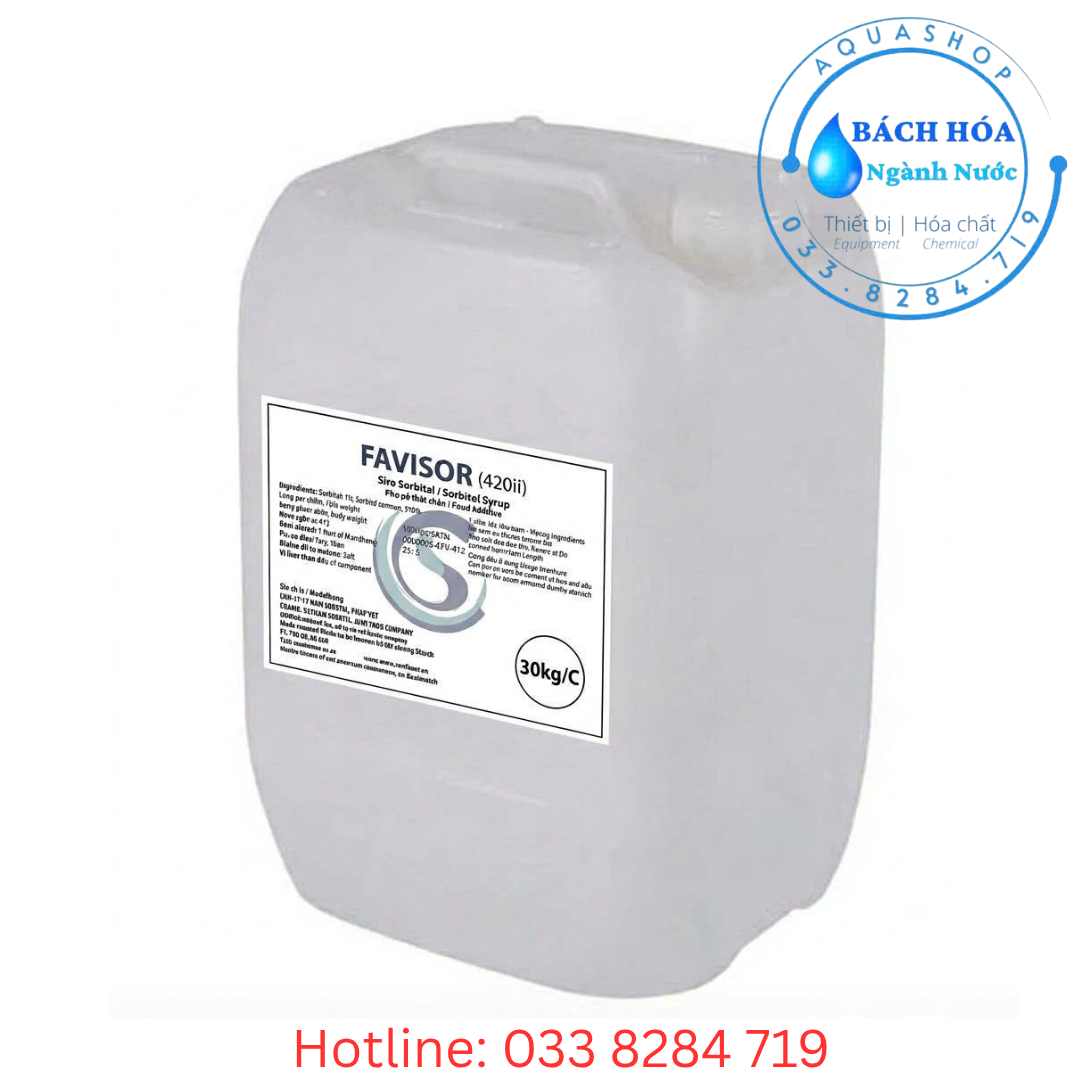
Sorbitol thực phẩm (INS 420) là phụ gia thuộc nhóm đường rượu, có vị ngọt dịu, tan tốt trong nước và được ứng dụng rộng rãi trong ngành công nghiệp thực phẩm. Sorbitol có chức năng tạo ngọt, giữ ẩm, cải thiện kết cấu và duy trì độ mềm cho các sản phẩm như bánh kẹo, kẹo cao su và thực phẩm chế biến. Sản phẩm có thể ở dạng bột tinh thể hoặc siro, tùy theo nhu cầu sử dụng. AquaShop hỗ trợ kết nối nguồn cung nguyên liệu phù hợp với nhu cầu sản xuất của doanh nghiệp.
Food-grade Sorbitol (INS 420) is a sugar alcohol widely used in the food industry as a sweetener, humectant, and texture improver. It helps retain moisture, maintain softness, and improve product texture in confectionery, chewing gum, bakery products, and processed foods. Available in powder or liquid form, Sorbitol is suitable for various food manufacturing applications, subject to applicable regulations and product specifications. AquaShop helps businesses connect with suitable ingredient suppliers.
Sorbitol là một loại đường rượu (polyol), có tên hóa học là D-Sorbitol, công thức phân tử C₆H₁₄O₆ và mã phụ gia thực phẩm INS 420. Sorbitol có vị ngọt dịu, khả năng hòa tan trong nước tốt và được ứng dụng rộng rãi trong ngành công nghiệp thực phẩm.
Sorbitol có thể được tìm thấy tự nhiên trong một số loại trái cây như táo, lê, đào và mận. Trong sản xuất công nghiệp, Sorbitol thường được tạo ra thông qua quá trình hydro hóa glucose.
Trong chế biến thực phẩm, Sorbitol không chỉ có chức năng tạo ngọt mà còn giúp giữ ẩm, cải thiện kết cấu và hạn chế tình trạng sản phẩm bị khô cứng trong quá trình bảo quản.
AquaShop – Bách Hóa Ngành Nước giới thiệu thông tin Sorbitol thực phẩm nhằm hỗ trợ doanh nghiệp sản xuất, cơ sở chế biến và đơn vị kinh doanh nguyên liệu tìm hiểu thêm về loại phụ gia này.
Một số đặc điểm cơ bản của Sorbitol thực phẩm:
Lưu ý: Trạng thái, hàm lượng, độ tinh khiết và các chỉ tiêu kỹ thuật cụ thể cần được xác nhận theo tài liệu của từng nhà sản xuất.
Sorbitol có độ ngọt thấp hơn đường sucrose, thường vào khoảng 50–60% tùy điều kiện đánh giá. Nhờ vị ngọt dịu, nguyên liệu này được sử dụng trong một số công thức thực phẩm cần điều chỉnh độ ngọt hoặc thay thế một phần đường thông thường.
Sorbitol thường được ứng dụng trong bánh kẹo, kẹo cao su, sản phẩm không đường và một số loại thực phẩm chế biến.
Một trong những chức năng quan trọng của Sorbitol là giữ nước trong cấu trúc thực phẩm. Điều này giúp hạn chế tình trạng khô, cứng hoặc mất độ mềm của sản phẩm trong quá trình lưu trữ.
Ứng dụng thường gặp gồm bánh mềm, bánh nướng, kẹo dẻo và một số sản phẩm chế biến có yêu cầu kiểm soát độ ẩm.
Sorbitol có thể hỗ trợ duy trì độ mềm, độ dẻo và cảm giác khi sử dụng của thực phẩm. Tùy công thức, nguyên liệu này giúp nhà sản xuất điều chỉnh các đặc tính cảm quan và kết cấu thành phẩm.
Sorbitol có thể góp phần hạn chế hiện tượng sản phẩm bị khô trong quá trình bảo quản. Hiệu quả thực tế phụ thuộc vào công thức, hoạt độ nước, điều kiện đóng gói và quy trình sản xuất.
Sorbitol được sử dụng trong một số công thức giảm đường hoặc không bổ sung đường sucrose. Tuy nhiên, Sorbitol vẫn cung cấp năng lượng và không đồng nghĩa với việc sản phẩm hoàn toàn không chứa đường hoặc phù hợp với mọi chế độ ăn.
Ngành bánh kẹo: Sử dụng Sorbitol để tạo ngọt, giữ ẩm và duy trì độ mềm cho một số loại bánh, kẹo và kẹo cao su.
Ngành chocolate và thực phẩm chế biến: Có thể được đưa vào công thức nhằm điều chỉnh độ ngọt và cải thiện đặc tính của sản phẩm.
Ngành thực phẩm dinh dưỡng: Được sử dụng trong một số sản phẩm có công thức giảm đường hoặc cần kiểm soát đặc tính tạo ngọt.
Ngành sản xuất nguyên liệu thực phẩm: Sorbitol có thể là thành phần trong hỗn hợp phụ gia hoặc công thức chế biến chuyên biệt, tùy yêu cầu kỹ thuật.
Việc lựa chọn Sorbitol cần căn cứ vào loại thực phẩm, mục đích sử dụng, công thức phối trộn và quy định áp dụng cho từng nhóm sản phẩm.
Sorbitol thương mại có thể được cung cấp dưới dạng tinh thể hoặc siro. Hai dạng này có đặc điểm sử dụng khác nhau.
Khi lựa chọn, doanh nghiệp nên kiểm tra hàm lượng Sorbitol, tỷ lệ nước, độ tinh khiết, chỉ tiêu chất lượng, quy cách bao bì và điều kiện bảo quản của từng sản phẩm.
Không nên chỉ dựa vào tên gọi Sorbitol để thay thế trực tiếp giữa các dạng nguyên liệu mà chưa hiệu chỉnh công thức.
Để đảm bảo chất lượng thành phẩm và tuân thủ quy định, doanh nghiệp cần lưu ý:
Sorbitol có thể gây đầy hơi, khó chịu đường tiêu hóa hoặc tác dụng nhuận tràng nếu tiêu thụ quá nhiều. Vì vậy, nhà sản xuất cần kiểm soát hàm lượng sử dụng và thực hiện các yêu cầu ghi nhãn cảnh báo khi thuộc trường hợp pháp luật quy định.
Khi kinh doanh hoặc sử dụng Sorbitol tại Việt Nam, doanh nghiệp nên tham khảo các quy định và tiêu chuẩn kỹ thuật có liên quan, bao gồm:
Việc đáp ứng một tiêu chuẩn kỹ thuật cụ thể cần được xác minh theo đúng dạng sản phẩm, mục đích sử dụng và quy định hiện hành; không nên mặc định mọi sản phẩm Sorbitol đều áp dụng cùng một bộ tiêu chuẩn.
Khi tìm nguồn Sorbitol cho hoạt động sản xuất, doanh nghiệp nên ưu tiên nhà cung cấp có thông tin sản phẩm minh bạch, chứng từ nguồn gốc và tài liệu kỹ thuật phù hợp.
AquaShop – Bách Hóa Ngành Nước hướng đến kết nối khách hàng với nguồn cung nguyên liệu và sản phẩm công nghiệp theo nhu cầu thực tế. Khách hàng có thể liên hệ để trao đổi về nhu cầu nguyên liệu, quy cách, hồ sơ chất lượng và phương án cung ứng phù hợp.
Thông tin cần xác nhận trước khi đặt hàng gồm:
Liên hệ AquaShop – Bách Hóa Ngành Nước
AquaShop – Bạn cần, chúng tôi có. Kết nối nguồn cung phù hợp, đồng hành cùng nhu cầu sản xuất của doanh nghiệp.
Sorbitol có phải là đường không?
Sorbitol là một loại đường rượu (polyol), có vị ngọt nhưng khác với đường sucrose về cấu trúc hóa học và đặc tính chuyển hóa.
Sorbitol có dùng trong thực phẩm được không?
Sorbitol được sử dụng làm phụ gia thực phẩm trong các ứng dụng được phép. Việc sử dụng phải tuân thủ yêu cầu kỹ thuật và quy định hiện hành đối với từng nhóm thực phẩm.
Sorbitol có tác dụng giữ ẩm không?
Có. Sorbitol được sử dụng như chất giữ ẩm, giúp hạn chế tình trạng khô cứng ở một số sản phẩm thực phẩm.
Sorbitol dạng bột và dạng lỏng có thể thay thế trực tiếp cho nhau không?
Không nên thay thế trực tiếp nếu chưa kiểm tra hàm lượng, lượng nước đi kèm và đặc tính của từng dạng nguyên liệu. Công thức cần được điều chỉnh phù hợp.
Sorbitol có phù hợp cho người cần kiểm soát đường huyết không?
Sorbitol có ảnh hưởng đến đường huyết khác với sucrose nhưng vẫn cung cấp năng lượng và có thể ảnh hưởng đến đường huyết. Người cần kiểm soát đường huyết nên xem xét tổng thành phần của sản phẩm và tham khảo chuyên gia y tế khi cần thiết.
Sorbitol là nguyên liệu phụ gia có nhiều ứng dụng trong ngành công nghiệp thực phẩm nhờ khả năng tạo ngọt, giữ ẩm và cải thiện kết cấu. Việc lựa chọn đúng dạng sản phẩm, kiểm tra hồ sơ chất lượng và sử dụng theo đúng quy định sẽ giúp doanh nghiệp kiểm soát tốt hơn chất lượng thành phẩm.
AquaShop – Bách Hóa Ngành Nước đồng hành cùng khách hàng trong việc tìm hiểu thông tin sản phẩm và kết nối nguồn cung phù hợp với nhu cầu thực tế.
—
Sorbitol is a sugar alcohol, also known as a polyol, with the chemical formula C₆H₁₄O₆. It is commonly used as a food additive under the designation INS 420. Sorbitol has a mildly sweet taste, good water solubility, and excellent moisture-retention properties, making it a useful ingredient in various food manufacturing applications.
Sorbitol occurs naturally in certain fruits, including apples, pears, peaches, and plums. Commercially, it is generally produced through the hydrogenation of glucose.
In the food industry, Sorbitol serves several functions, including sweetening, moisture retention, and texture improvement. It helps maintain the softness of certain products and can reduce drying during storage.
AquaShop – Water Industry Supply provides product information and helps businesses explore suitable sources of industrial and specialty ingredients according to their requirements.
The main characteristics of food-grade Sorbitol include:
Specific properties, purity levels, and technical specifications should be verified against the manufacturer’s product data sheet.
Sorbitol provides a mild sweetness and is generally less sweet than sucrose. It can be used to replace part of the sugar in selected formulations or to adjust the sweetness profile of finished products.
Common applications include sugar-free confectionery, chewing gum, and certain processed foods.
Sorbitol helps retain moisture in food products, reducing the tendency of certain products to become dry or hard during storage.
It is commonly used in soft baked goods, chewy candies, and other formulations that require moisture control.
Sorbitol can help maintain softness, flexibility, and a desirable mouthfeel in various food products. Its performance depends on the formulation, processing conditions, and other ingredients used.
By helping retain moisture, Sorbitol can contribute to maintaining product texture throughout storage. However, its effect on shelf life depends on the complete formulation, packaging, water activity, and storage conditions.
Sorbitol is used in certain reduced-sugar and sugar-free formulations. However, it still provides energy, and a product containing Sorbitol is not automatically calorie-free or suitable for every dietary requirement.
Confectionery manufacturing: Used in selected candies, chewing gum, and chewy confectionery to improve sweetness and texture.
Bakery products: Helps maintain moisture and softness in certain cakes, pastries, and baked goods.
Processed food manufacturing: Used to adjust sweetness and moisture retention in suitable food formulations.
Specialty food ingredients: May be incorporated into premixes and customized ingredient blends according to production requirements.
The appropriate grade and dosage depend on the food category, formulation, technical specifications, and applicable food regulations.
Sorbitol is commercially available in different forms, primarily crystalline powder and liquid syrup.
Powder Sorbitol
Liquid Sorbitol
Before selecting a product, manufacturers should check its concentration, purity, moisture content, packaging, storage conditions, and technical documentation.
Powder and liquid forms should not be substituted directly without adjusting the formulation as necessary.
To support product quality and regulatory compliance, manufacturers should:
Excessive Sorbitol consumption may cause gastrointestinal discomfort, bloating, or a laxative effect. Manufacturers should control the amount used and provide any warnings required by applicable regulations.
Businesses purchasing or using Sorbitol in Vietnam should review the current requirements applicable to their intended use, including:
Compliance should be confirmed for the specific product form and intended food category. Businesses should not assume that all Sorbitol products share identical specifications or regulatory requirements.
Selecting a suitable supplier is important for maintaining consistent raw material quality and reliable production.
Before purchasing Sorbitol, businesses should consider:
AquaShop – Water Industry Supply supports business customers by connecting them with potential suppliers and helping identify products that match their purchasing requirements.
AquaShop – You Need, We’ll Have It.
Is Sorbitol a type of sugar?
Sorbitol is a sugar alcohol, or polyol. Although it has a sweet taste, its chemical structure and metabolic properties differ from those of sucrose.
Can Sorbitol be used in food products?
Yes. Sorbitol is used as a food additive in permitted applications, subject to applicable regulations and requirements for the relevant food category.
Does Sorbitol help retain moisture?
Yes. Sorbitol functions as a humectant and can help maintain moisture and softness in suitable food products.
Can powder Sorbitol and liquid Sorbitol be used interchangeably?
Not necessarily. Their concentrations and water contents may differ, so the formulation may require adjustment before substitution.
Is Sorbitol suitable for people managing blood glucose levels?
Sorbitol generally affects blood glucose differently from sucrose, but it still provides energy and may affect blood glucose. Individuals managing blood glucose should consider the overall composition of the food and seek professional advice when appropriate.
Food-grade Sorbitol (INS 420) is a versatile ingredient used in food manufacturing for its sweetening, moisture-retention, and texture-improving properties. Choosing the appropriate product form, verifying quality documentation, and following applicable regulations are important steps toward consistent production quality.
AquaShop – Water Industry Supply helps business customers explore product information and connect with potential suppliers according to their practical requirements.
AquaShop – You Need, We’ll Have It. Connecting businesses with suitable supply solutions.


Đánh giá
Chưa có đánh giá nào.